
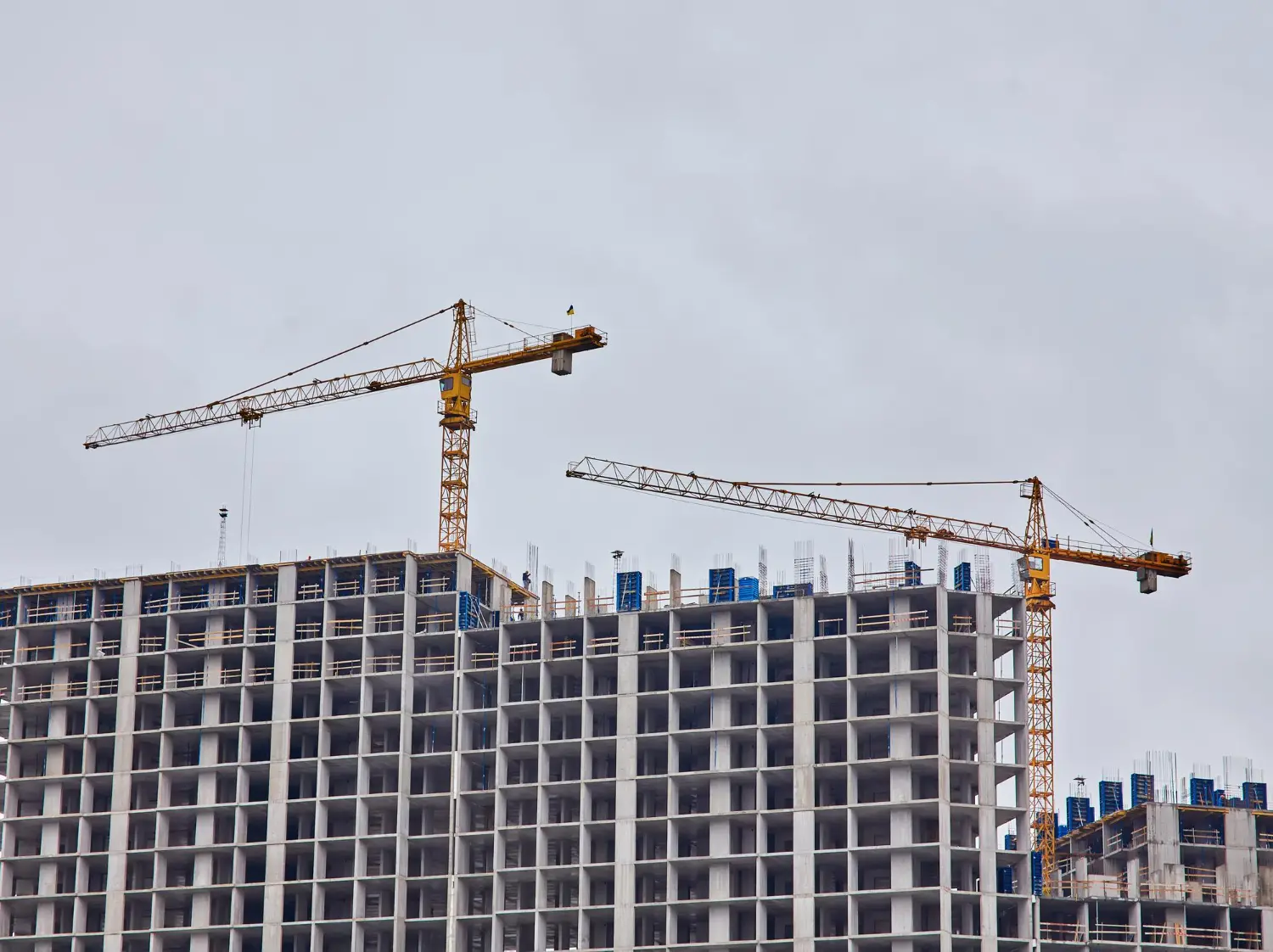
Construction Planning for 2027: What Contractors Should Finalise Before Starting Their Next Project
As the year comes to an end, construction companies, infrastructure developers, EPC contractors and project managers begin looking ahead to the projects planned for the coming year. While the actual construction may begin months later, some of the most important decisions affecting a project's timeline, budget and execution are made long before work begins at the site.
Construction projects rarely face delays because of a single issue. In many cases, delays are the result of several small planning gaps, including late material procurement, incomplete drawings, coordination issues between contractors, unprepared sites and decisions that are made only after construction has already started.
With 2027 approaching, this is the right time for construction companies to reassess their upcoming projects, finalise requirements and identify opportunities to make execution more efficient.
A well-planned construction project does not simply begin when machinery reaches the site. It begins with the right decisions being made at the right time.
Why Year-End Planning Matters for Construction Projects
The beginning of a new year often brings new project commitments, revised budgets, fresh construction targets and tighter execution schedules. For contractors and developers handling multiple projects, planning ahead can help reduce uncertainty during the initial stages of construction.
December and the beginning of the new year can be particularly useful for reviewing upcoming requirements, evaluating suppliers, coordinating project teams and identifying construction methods that can improve execution.
Instead of approaching January with pending decisions, businesses can use the final weeks of the year to establish a clearer roadmap for the months ahead.
This is particularly important for large-scale projects where delays in one activity can affect several other stages of construction.
1. Finalise Project Scope Before Construction Begins
One of the first things that should be finalised before starting a project is its scope.
Changes made during construction can affect material requirements, manpower planning, costs, drawings and execution timelines. While some modifications may be unavoidable, repeatedly changing project requirements can create unnecessary complications.
Before the project begins, stakeholders should establish clarity on:
- Project size and construction requirements
- Structural design and drawings
- Site layout and access
- Required construction materials
- Infrastructure and drainage requirements
- Project phases and execution sequence
- Expected completion milestones
For industrial, infrastructure and commercial construction, this clarity becomes particularly important because different components of the project often need to be executed simultaneously or in a specific sequence.
The more decisions that are finalised before execution, the easier it becomes to coordinate construction activities.
2. Plan Material Procurement in Advance
Material procurement is one of the most important factors affecting construction timelines.
Waiting until materials are required at the site to begin procurement can create avoidable delays. Depending on the project, materials may require manufacturing time, transportation planning, approvals, quantity confirmation and coordination with multiple suppliers.
Contractors should therefore prepare a procurement schedule that identifies:
- Materials required for each construction phase
- Approximate quantities
- Expected delivery dates
- Supplier availability
- Transportation requirements
- Material storage and handling arrangements
For projects involving specialised construction components, procurement planning becomes even more important.
Precast concrete components, for example, may need to be manufactured according to project drawings and requirements. Planning these requirements early allows better coordination between manufacturing, transportation and site installation.
Businesses undertaking infrastructure, industrial or commercial construction can explore precast concrete products for different construction applications when planning their material requirements for upcoming projects.
3. Evaluate Construction Methods Before Finalising the Budget
Construction methodology directly influences the way a project is executed.
Traditional construction, precast construction and hybrid construction methods have different requirements for labour, materials, site activities, transportation, equipment and coordination.
The right construction method should not be selected only on the basis of the initial material cost. It should be evaluated based on the overall project requirements.
Some of the factors contractors and developers should consider include:
- Total project duration
- Labour availability
- Site conditions
- Construction complexity
- Material handling requirements
- Quality consistency
- Number of repetitive structural components
- Transportation and installation requirements
For projects involving repetitive components or multiple construction activities, precast concrete can provide an alternative to manufacturing every component at the site.
This is one of the reasons precast construction is increasingly being considered for industrial buildings, infrastructure projects, renewable energy developments and other projects where execution planning plays an important role.
A detailed understanding of precast construction versus traditional construction can help project teams evaluate which approach is more suitable for their upcoming development.
4. Identify Activities That Can Be Completed Before Site Construction
Not every construction activity needs to begin after the site work starts.
Depending on the design and project requirements, certain components can be manufactured, prepared or planned independently of some site activities.
This creates opportunities for better coordination between different stages of construction.
For example, while site preparation, levelling, excavation or foundation work is being carried out, certain precast components may be manufactured off-site in parallel, subject to final drawings, approvals and project coordination.
This approach can help reduce the number of activities that need to be completed sequentially.
For projects involving drainage infrastructure, retaining structures, foundations, utility infrastructure or industrial construction, identifying such opportunities during planning can make a meaningful difference to the execution strategy.
The objective is not simply to make construction faster. It is to ensure that fewer activities are unnecessarily dependent on one another.
5. Prepare a Realistic Construction Schedule
A construction schedule should account for the actual activities required to complete the project, rather than only the target completion date.
An unrealistic schedule can create pressure throughout the execution process, leading to rushed procurement, poor coordination and avoidable changes.
A practical project schedule should include:
Pre-construction activities
- Finalisation of drawings
- Technical approvals
- Budget approval
- Vendor selection
- Material procurement planning
- Site preparation
Construction activities
- Foundation work
- Structural construction
- Infrastructure installation
- Drainage and utility work
- Installation of precast components, where applicable
- Finishing and associated activities
Final stages
- Inspections
- Testing
- Rectification
- Final handover
Construction schedules should also account for transportation, installation equipment, site access, coordination between contractors and the availability of materials.
For projects using precast concrete, the manufacturing schedule should be coordinated with the installation schedule so that components arrive when the site is ready to receive them.
6. Finalise Your Precast Requirements Early
For projects planning to use precast concrete, year-end planning can be a valuable time to finalise component requirements and begin supplier coordination.
Precast components are often project-specific. Their dimensions, design, application, structural requirements and installation conditions may vary depending on the project.
Finalising these requirements early can help improve coordination between the project team, manufacturer and site contractors.
Depending on the project, precast requirements may include:
- RCC Hume pipes
- Box culverts
- U drains
- Manhole chambers
- Retaining walls
- Precast footings
- Solid slabs
- Staircases
- Junction chambers
- Slope drains
- Precast tanks
- Customised precast components
The requirements should be reviewed alongside project drawings, specifications, site conditions and installation plans.
For infrastructure and industrial projects, early coordination is particularly useful when multiple precast components are required across different phases of construction.
Explore Sachi Precast's range of precast concrete solutions to identify components that may be relevant to your upcoming project.
7. Choose Suppliers Based on Project Requirements, Not Just Pricing
Selecting suppliers is an important part of project planning, especially when construction schedules depend on timely material delivery.
While pricing is an important consideration, contractors should also evaluate the supplier's ability to understand project requirements, coordinate specifications, maintain production planning and support delivery schedules.
Before finalising a supplier, consider:
- Relevant manufacturing experience
- Product range
- Ability to understand project-specific requirements
- Manufacturing and delivery coordination
- Transportation planning
- Communication and technical coordination
- Previous project experience
For precast construction, supplier coordination becomes particularly important because components may need to be manufactured according to specific project requirements rather than sourced as standard materials.
Choosing a suitable manufacturing partner early can help reduce uncertainty during the procurement and execution stages.
Read our guide on how to choose the right precast concrete manufacturer in India before finalising your supplier for the upcoming construction season.
8. Review Site Readiness Before Scheduling Deliveries
A project schedule can be affected even when materials are manufactured and ready for dispatch.
If the site is not prepared to receive materials, deliveries may need to be rescheduled. For large precast components, this can involve additional coordination related to transportation, unloading, storage and installation.
Before scheduling deliveries, project teams should evaluate:
- Site access and entry routes
- Available unloading space
- Storage areas
- Ground conditions
- Installation equipment
- Crane or lifting requirements, wherever applicable
- Installation sequence
- Coordination with other contractors
Site readiness should be reviewed before confirming delivery dates.
This is particularly important for precast components that require specific lifting, positioning or installation arrangements.
A well-coordinated site can help ensure that manufactured components move directly into the intended stage of construction instead of becoming an additional logistical challenge.
9. Build Contingencies Into the Project Plan
Even a well-planned project can encounter unexpected challenges.
Transportation disruptions, changes in site conditions, approval delays, material availability, design modifications and coordination issues can affect the original construction schedule.
Rather than assuming every activity will proceed exactly as planned, project teams should identify possible risks during the planning stage.
Contingency planning may include:
- Alternative procurement arrangements
- Buffer time for critical activities
- Early identification of long-lead materials
- Backup transportation planning
- Coordination between multiple suppliers
- Regular progress reviews
- Clear escalation procedures
The purpose of contingency planning is not to expect delays. It is to reduce the impact of unforeseen circumstances when they occur.
Projects with multiple interdependent activities benefit particularly from this approach because even small disruptions can affect the larger execution sequence.
How Precast Construction Can Support Better Project Planning in 2027
Precast concrete can be an important part of the planning strategy for projects where construction speed, coordination, repetitive components and site execution are key considerations.
Unlike conventional site-based casting for every component, precast construction allows selected concrete elements to be manufactured in a controlled production environment and transported to the site for installation.
Depending on the project, this can support:
Better coordination between manufacturing and site work
Manufacturing and site preparation can be planned as parallel activities where project design, approvals and requirements allow.
Reduced dependence on certain site-based construction activities
Some concrete components can be manufactured away from the project site, potentially reducing the amount of casting work that needs to be organised at the construction location.
More predictable execution
Manufacturing components according to approved drawings and planned specifications can help improve coordination during installation.
Better planning for repetitive components
Projects requiring multiple similar components may benefit from planned manufacturing and installation sequences.
Improved project scheduling
When procurement, manufacturing, site preparation, transportation and installation are coordinated from the beginning, the overall construction process can be planned more effectively.
The benefits depend on the project design, component selection, site conditions, logistics and installation planning. Precast construction is not a universal replacement for conventional construction, but it can be a valuable approach where its advantages align with the project requirements.
What Construction Companies Should Have Ready Before January 2027
Before entering the new year, construction companies can use the following checklist to review their upcoming projects.
Project planning checklist
- Project scope and requirements finalised
- Construction drawings reviewed
- Budget and cost estimates approved
- Construction methodology evaluated
- Project milestones established
- Site preparation requirements identified
- Material procurement schedule prepared
- Suppliers shortlisted
- Long-lead materials identified
- Precast components finalised, wherever required
- Manufacturing and delivery schedules coordinated
- Transportation and unloading requirements reviewed
- Installation equipment requirements identified
- Contractor coordination plan prepared
- Contingency planning completed
Completing these activities before construction begins can help project teams enter the new year with fewer pending decisions and a more organised execution strategy.
The Role of Precast Construction in India's Upcoming Infrastructure Projects
India's infrastructure development continues to create requirements for construction methods that can support large-scale execution, coordination and repeatable quality.
From industrial facilities and renewable energy developments to transportation infrastructure, projects often require a combination of structural components, drainage systems, foundations and specialised concrete elements.
Precast concrete can support these requirements across different applications.
At Sachi Precast, precast solutions are used across infrastructure, industrial and renewable energy applications. Our project experience includes work associated with developments such as the Adani Green Renewable Park, NTPC Solar Park and the Mumbai–Ahmedabad Bullet Train project.
As construction requirements continue to evolve, planning the right materials, manufacturing approach and execution strategy will become increasingly important for projects beginning in 2027.
Conclusion
The success of a construction project in 2027 may depend on decisions made before the year even begins.
Finalising project scope, reviewing construction methods, planning material procurement, coordinating suppliers, preparing the site and establishing realistic schedules can help contractors and developers avoid unnecessary uncertainty during execution.
Construction planning is not simply about deciding what needs to be built. It is about understanding how every component, activity, supplier and resource will come together to complete the project efficiently.
For projects where precast concrete is suitable, involving the manufacturer early in the planning process can help align component requirements, manufacturing, transportation and installation with the overall construction schedule.
As businesses prepare for the next year of construction, a well-planned start can be one of the most valuable investments they make in the project.
Planning a construction project for 2027? Connect with Sachi Precast to discuss precast concrete requirements for your upcoming infrastructure, industrial or construction project.
Frequently Asked Questions
What should contractors finalise before starting a construction project in 2027?
Contractors should finalise project scope, drawings, budgets, construction methodology, procurement schedules, supplier selection, site readiness, execution milestones and material requirements before construction begins.
Why is construction planning important before the new year?
Planning ahead helps construction teams identify material requirements, coordinate suppliers, prepare the site, establish realistic timelines and reduce last-minute decisions during execution.
How can precast concrete help construction projects finish faster?
Precast concrete allows selected components to be manufactured off-site while certain site activities are carried out simultaneously. This can reduce the dependency on sequential site-based casting activities, depending on project design and execution requirements.
When should precast concrete components be ordered?
Precast components should ideally be discussed and planned during the early procurement and construction planning stages. The actual ordering timeline depends on the approved drawings, specifications, quantities, manufacturing requirements, transportation and installation schedule.
Which construction projects can benefit from precast concrete?
Precast concrete may be suitable for infrastructure, industrial, commercial, renewable energy, drainage, utility and other construction projects, depending on the component and structural requirements.
How do I select a precast concrete manufacturer for my project?
Evaluate the manufacturer's relevant experience, product range, ability to meet project specifications, manufacturing coordination, delivery planning, communication and suitability for your project requirements rather than comparing quotations alone.
Build Smarter With Sachi Precast
From ready-made precast components to fully customized solutions, we handle everything from manufacturing to on-site erection — delivering faster, stronger, and more efficient construction outcomes.