
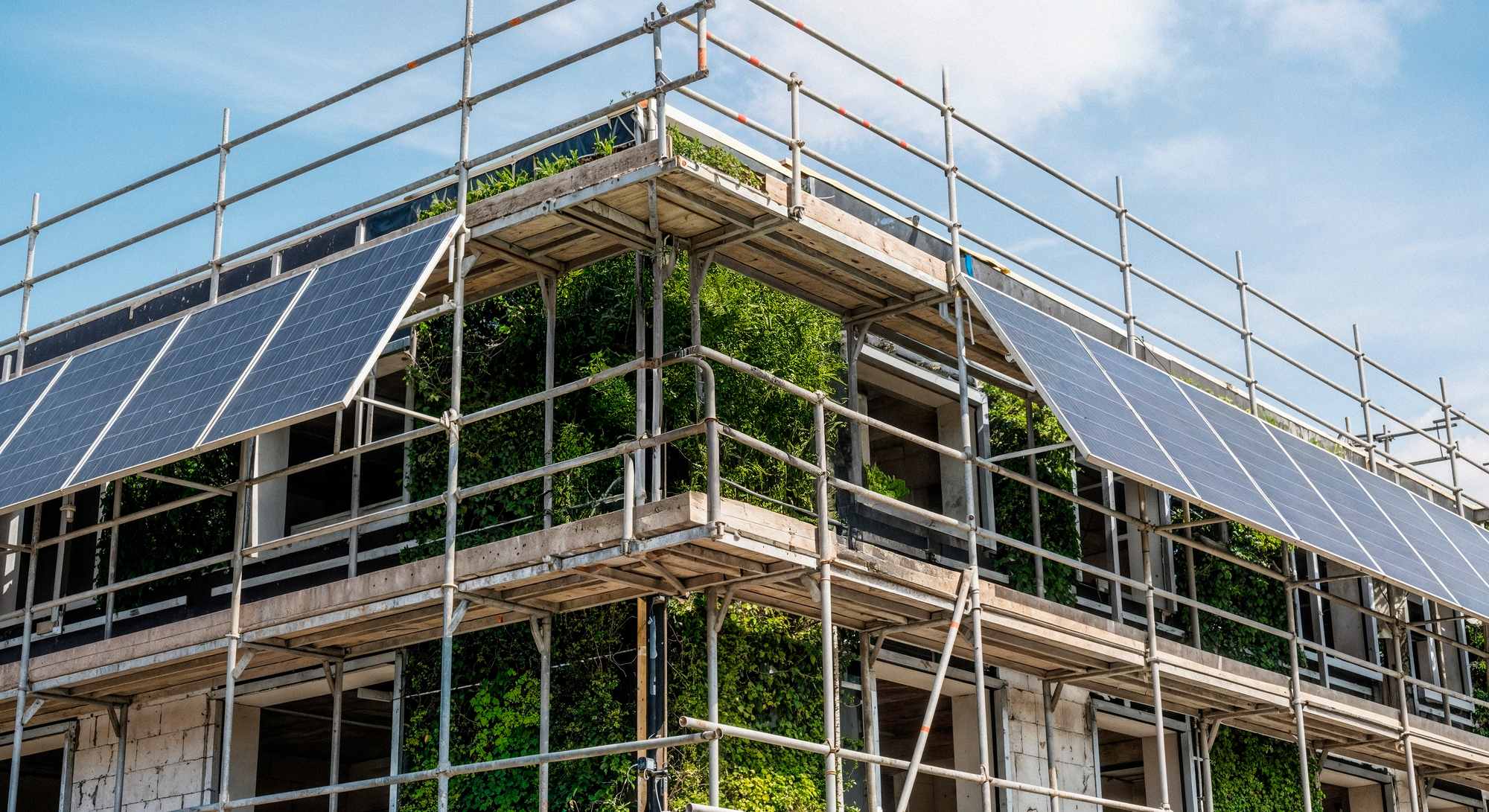
Why Infrastructure Matters More Than Solar Panels in Long-Term Renewable Energy Success
When people think about renewable energy projects, they usually picture rows of solar panels stretching across vast landscapes.
What often goes unnoticed is the infrastructure beneath and around those panels—the systems that quietly ensure the project continues operating efficiently for decades.
While solar panels generate power, infrastructure determines how reliably that power-generating asset performs over its lifetime.
From drainage systems and utility networks to access roads and water management infrastructure, successful renewable energy projects are built on far more than energy-generation technology alone.
As India continues expanding its renewable energy capacity, particularly in Gujarat, the importance of supporting infrastructure is becoming increasingly clear.
The Reality Behind Every Solar Park
A solar park is not simply a collection of photovoltaic panels.
Before a single panel is installed, developers must address several critical infrastructure challenges:
- Site preparation
- Drainage planning
- Water management
- Utility crossings
- Access infrastructure
- Boundary security
- Long-term maintenance access
Without these systems, even the most advanced solar technology can face operational challenges over time.
This is one reason why large-scale renewable energy developers increasingly invest significant resources into infrastructure planning before construction begins.
As discussed in Why Renewable Energy Projects Are Choosing Precast Construction, successful renewable energy developments depend on creating reliable infrastructure ecosystems rather than focusing solely on power generation assets.
Why Drainage Infrastructure Is Often Overlooked
One of the most underestimated aspects of renewable energy development is drainage.
Solar parks occupy large land areas that must withstand seasonal weather conditions year after year.
Poor drainage planning can lead to:
- Water accumulation
- Soil erosion
- Access challenges
- Maintenance difficulties
- Infrastructure degradation
Effective drainage systems help protect both the site and the investment.
This is where solutions such as RCC Pipes and Box Culverts play an important role in managing water movement across renewable energy sites.
For a deeper understanding of how infrastructure supports renewable energy developments, explore Precast Concrete for Solar Energy Infrastructure.
Renewable Energy Projects Are Long-Term Assets
Unlike temporary developments, renewable energy projects are expected to operate efficiently for decades.
This means infrastructure decisions made during planning and construction can have long-term consequences.
Developers increasingly evaluate infrastructure based on:
- Durability
- Maintenance requirements
- Lifecycle performance
- Environmental resilience
- Operational reliability
The goal is not simply to complete construction but to create an asset capable of delivering value over an extended period.
As explored in How Precast Solutions Are Transforming Renewable Energy Infrastructure in India, infrastructure reliability often becomes one of the most important contributors to long-term project performance.
Lessons from Large-Scale Renewable Energy Projects
Across Gujarat, renewable energy projects continue demonstrating the importance of infrastructure planning.
Projects such as the Adani Green Renewable Park Project and the NTPC Solar Park Project highlight how drainage systems, utility infrastructure, and site preparation contribute to long-term operational success.
While solar panels remain the visible symbol of renewable energy, infrastructure often determines how effectively those projects perform throughout their lifecycle.
The most successful projects treat infrastructure as a strategic investment rather than an afterthought.
Water Management Is a Renewable Energy Priority
Water management affects nearly every aspect of renewable energy development.
Without effective systems, projects may face challenges related to:
- Site accessibility
- Erosion control
- Drainage efficiency
- Maintenance operations
Solutions such as U-Shaped Channel Sections, RCC Pipes, and Box Culverts continue supporting water management requirements across a variety of renewable energy developments.
As solar capacity expands throughout Gujarat and India, the importance of effective water management infrastructure will continue increasing.
Infrastructure and Sustainability Go Hand in Hand
Sustainability is often discussed in terms of energy generation, but long-term sustainability also depends on infrastructure performance.
Projects designed with durable infrastructure are often better positioned to:
- Reduce maintenance requirements
- Improve operational efficiency
- Support long-term reliability
- Minimize disruptions
This is one reason infrastructure planning has become a growing focus among renewable energy developers.
A successful renewable energy project is not simply one that generates power—it is one that continues generating power efficiently for decades.
The same principle applies to residential construction. Homeowners exploring sustainable development can learn valuable lessons from Building a Solar-Ready Home in Gujarat: What Homeowners Should Know and How to Build a Future-Ready Home in Ahmedabad.
Why Renewable Energy Developers Are Looking Beyond Panels
The renewable energy sector is maturing rapidly.
Developers are increasingly recognizing that long-term project success depends on more than technology selection.
Infrastructure planning now plays a critical role in:
- Project reliability
- Operational efficiency
- Lifecycle value
- Risk management
As discussed in With Construction Costs Rising, Is Precast Becoming the Smarter Choice?, long-term value is becoming a more important decision-making factor across the construction industry.
Renewable energy projects are no exception.
How Sachi Precast Supports Renewable Energy Infrastructure
At Sachi Precast, we understand that renewable energy projects require more than power generation assets.
Through infrastructure solutions such as RCC Pipes, Box Culverts, Precast Boundary Walls, and U-Shaped Channel Sections, we support the infrastructure systems that help renewable energy developments perform reliably over the long term.
Our experience supporting projects such as the Adani Green Renewable Park Project, NTPC Solar Park Project, and Tata Power Mundra Project has reinforced a simple lesson:
The most successful renewable energy projects are built on strong infrastructure foundations.
Final Thoughts
Solar panels may generate electricity, but infrastructure determines how effectively a renewable energy project performs over its lifetime.
As renewable energy investment continues accelerating across Gujarat and India, developers are increasingly recognizing that drainage systems, water management infrastructure, utility networks, and durable site development solutions are just as important as the panels themselves.
The future of renewable energy is not only about generating power.
It is about building infrastructure capable of supporting that power generation for decades to come.
Build Smarter With Sachi Precast
From ready-made precast components to fully customized solutions, we handle everything from manufacturing to on-site erection — delivering faster, stronger, and more efficient construction outcomes.