
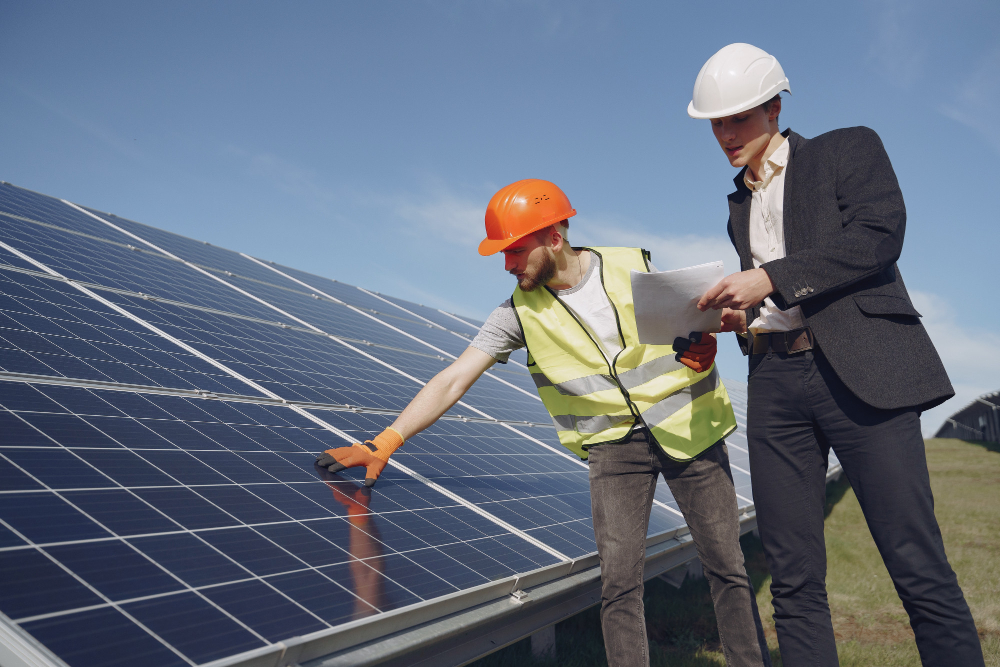
Why Precast Concrete Is the Best Choice for Solar Energy Infrastructure Projects
As the world moves toward renewable energy, solar power projects are growing rapidly across India. From utility-scale solar farms to industrial solar installations, the demand for reliable and efficient infrastructure has never been higher.However, building solar energy infrastructure comes with unique challenges. Developers need construction solutions that are fast, durable, cost-effective, and capable of performing under harsh environmental conditions.This is where precast concrete has emerged as one of the most effective solutions.Precast concrete is increasingly becoming the preferred construction method for solar energy infrastructure projects due to its strength, faster installation, lower maintenance requirements, and long-term reliability.Whether it is solar equipment foundations, inverter rooms, boundary walls, control rooms, cable trenches, or modular utility structures, precast concrete offers significant advantages over traditional construction methods.In this article, we will explore why precast concrete is the best choice for solar energy projects and how it supports faster, more efficient renewable energy development.
What Is Precast Concrete?
Precast concrete refers to concrete components manufactured in a controlled factory environment and later transported to the construction site for installation.
Unlike traditional cast-in-place construction, precast elements are produced with precision and strict quality control.
These components may include:
- Precast foundations
- Modular rooms
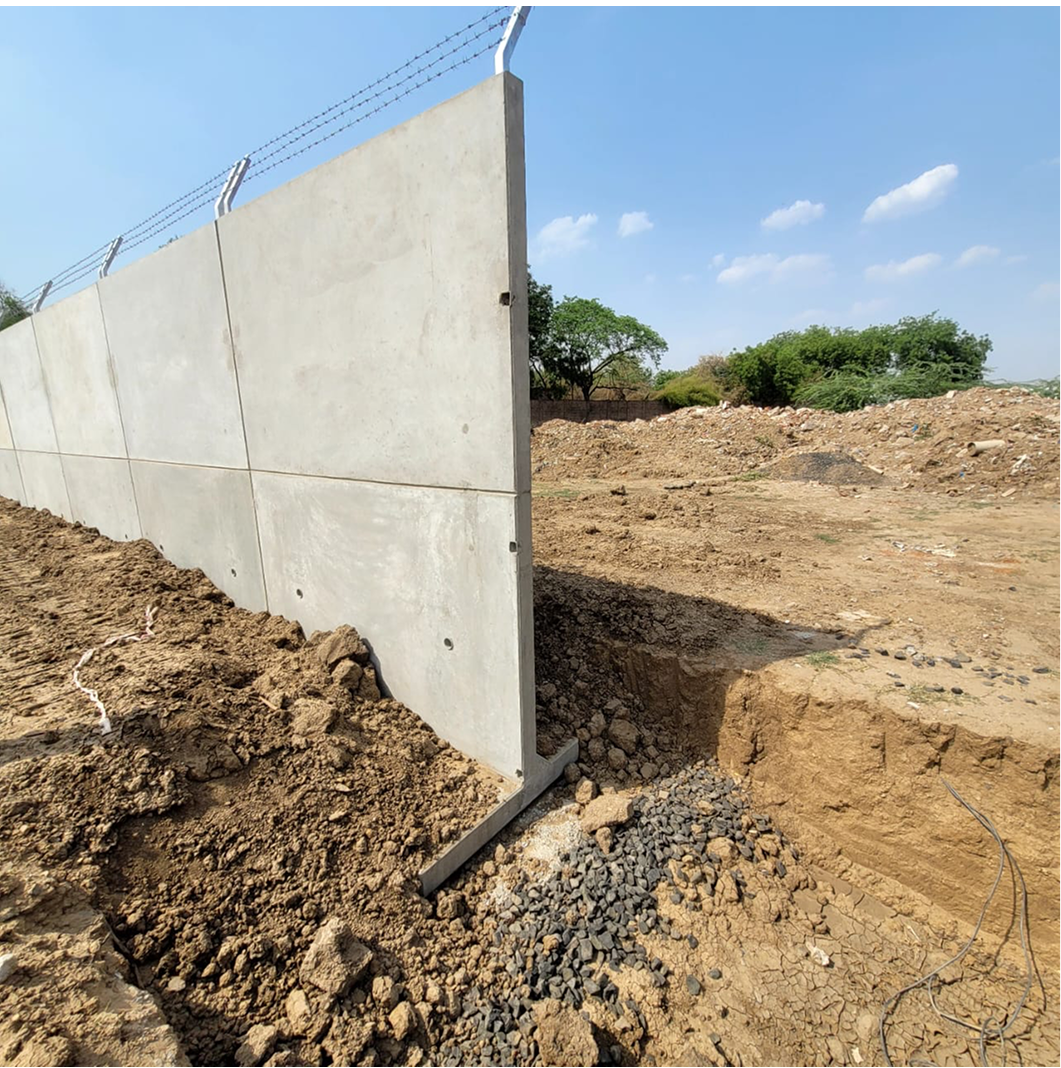
- Compound walls
- Drainage systems
- Utility structures
- Cable trench systems
- Equipment platforms
Since components are manufactured before reaching the site, installation becomes significantly faster and more efficient.
This makes precast construction especially suitable for large-scale infrastructure sectors like renewable energy.
Why Solar Energy Projects Need Faster Construction
Speed plays a major role in solar project profitability.
Delays in project completion can impact:
- Power generation timelines
- Financial returns
- Operational efficiency
- Government deadlines
- Investor confidence
Traditional construction methods often face delays caused by:
- Labor shortages
- Weather disruptions
- Material inconsistency
- Longer curing periods
Precast concrete helps solve these challenges by allowing much of the construction work to happen off-site.
This significantly reduces project timelines and accelerates infrastructure readiness.
Benefits of Precast Concrete for Solar Energy Infrastructure
Several factors make precast concrete an ideal choice for solar projects.
1. Faster Installation and Project Completion
One of the biggest advantages of precast concrete is speed.
Since components are manufactured in advance, on-site work becomes much quicker.
Installation can happen immediately after transportation, reducing overall project delays.
This allows solar developers to:
- Complete projects faster
- Start power generation earlier
- Reduce downtime
- Improve return on investment
For large solar farms, faster execution can create major financial benefits.
2. Exceptional Durability in Harsh Conditions
Solar projects are often installed in remote areas exposed to:
- Extreme heat
- Heavy rain
- Dust storms
- Wind pressure
- Temperature fluctuations
Precast concrete performs exceptionally well under harsh environmental conditions.
It provides:
- High structural strength
- Long-term durability
- Corrosion resistance
- Weather resistance
Unlike some conventional construction materials, precast concrete requires minimal maintenance over time.
This makes it highly reliable for long-term solar infrastructure.
3. Lower Maintenance Requirements
Solar energy projects are designed for long operational lifespans.
Frequent repairs or structural maintenance can increase operational costs.
Precast concrete offers low-maintenance performance because of its durability and manufacturing consistency.
Benefits include:
- Reduced repair costs
- Minimal structural degradation
- Long-term reliability
- Better lifecycle performance
For developers seeking cost efficiency, this becomes a major advantage.
4. Better Quality Control
Traditional construction quality often depends on site conditions.
Factors such as weather, labor skill, and material handling can affect outcomes.
Precast concrete is manufactured in controlled facilities where:
- Material consistency is maintained
- Quality checks are standardized
- Precision manufacturing is ensured
This results in stronger and more dependable infrastructure.
For solar energy projects, consistency is critical because infrastructure must remain reliable for decades.
5. Cost Efficiency in Large Projects
Although some developers assume precast construction is expensive, it often becomes more economical in large-scale projects.
Cost savings happen through:
- Reduced labor requirements
- Faster completion timelines
- Lower maintenance costs
- Less material wastage
Additionally, quicker execution helps solar projects begin operations sooner, improving revenue generation.
This makes precast concrete highly cost-effective for utility-scale renewable energy developments.
6. Sustainable Construction Solution
Sustainability matters not only in energy generation but also in construction.
Precast concrete contributes to greener infrastructure by:
- Reducing material waste
- Improving energy efficiency in production
- Lowering transportation frequency
- Minimizing environmental disruption
Because solar energy itself focuses on sustainability, using durable and efficient infrastructure materials aligns with renewable energy goals.
Common Applications of Precast Concrete in Solar Projects
Precast concrete supports multiple infrastructure requirements in solar developments.
Equipment Foundations
Solar panels, transformers, and electrical equipment require stable foundations.
Precast concrete provides strength and reliability for long-term support.
Modular Control Rooms
Solar farms often require control rooms for operations and monitoring.
Precast modular buildings allow faster installation and improved durability.
Cable Trenches
Cable management is critical for large solar installations.
Precast cable trenches improve organization and infrastructure protection.
Boundary Walls and Security Structures
Security is essential for protecting solar infrastructure.
Precast compound walls provide durable and fast perimeter protection.
Drainage Systems
Proper drainage helps prevent water accumulation and infrastructure damage.
Precast drainage components improve site management and reduce maintenance.
Why Precast Is Better Than Traditional Construction for Solar Projects
Traditional construction methods often struggle with large-scale solar timelines.
Challenges include:
- Longer execution periods
- Greater labor dependency
- Weather-related delays
- Quality inconsistencies
Precast concrete helps overcome these limitations through standardized production and rapid installation.
For renewable energy projects operating under strict deadlines, efficiency becomes a major competitive advantage.
Growing Demand for Precast Solutions in Renewable Energy
India’s renewable energy sector is expanding rapidly.
Government initiatives and sustainability goals are increasing investments in:
- Solar parks
- Renewable energy zones
- Industrial solar projects
- Grid infrastructure
As project demand grows, developers increasingly prefer faster and scalable construction methods.
Precast concrete is expected to become even more important in renewable energy infrastructure over the coming years.
Manufacturers capable of delivering precision precast solutions will play a major role in supporting this transition.
Companies like Sachi Precast are helping modern infrastructure projects with durable, efficient, and project-ready precast concrete solutions tailored for industrial and renewable energy applications.
Factors to Consider When Choosing Precast Concrete Solutions
To maximize project performance, developers should evaluate:
Product Quality
High-quality materials improve durability and long-term reliability.
Manufacturing Expertise
Experienced precast manufacturers ensure precision and consistency.
Customization Capabilities
Different solar projects may require custom-designed precast components.
Delivery and Installation Efficiency
Timely supply is essential for meeting construction schedules.
Reliable suppliers help minimize project delays.
Final Thoughts
Precast concrete has become one of the best construction choices for solar energy infrastructure projects because of its speed, durability, cost efficiency, and long-term performance.
As renewable energy demand continues growing, developers need smarter construction methods that support faster execution without compromising structural reliability.
From modular buildings and equipment foundations to cable trenches and drainage systems, precast concrete offers multiple advantages over traditional construction approaches.
For solar energy developers looking to improve project efficiency and durability, investing in quality precast solutions can make a significant difference.
Companies like Sachi Precast continue supporting modern infrastructure and renewable energy projects with innovative precast concrete solutions designed for long-term success and dependable performance.
FAQs
Precast concrete is used because it offers durability, faster installation, and low maintenance.
Yes, precast concrete performs well under extreme heat, rain, and environmental stress.
Since components are manufactured off-site, installation happens faster compared to traditional construction.
It is commonly used for foundations, modular rooms, cable trenches, drainage systems, and boundary walls.
Build Smarter With Sachi Precast
From ready-made precast components to fully customized solutions, we handle everything from manufacturing to on-site erection — delivering faster, stronger, and more efficient construction outcomes.