
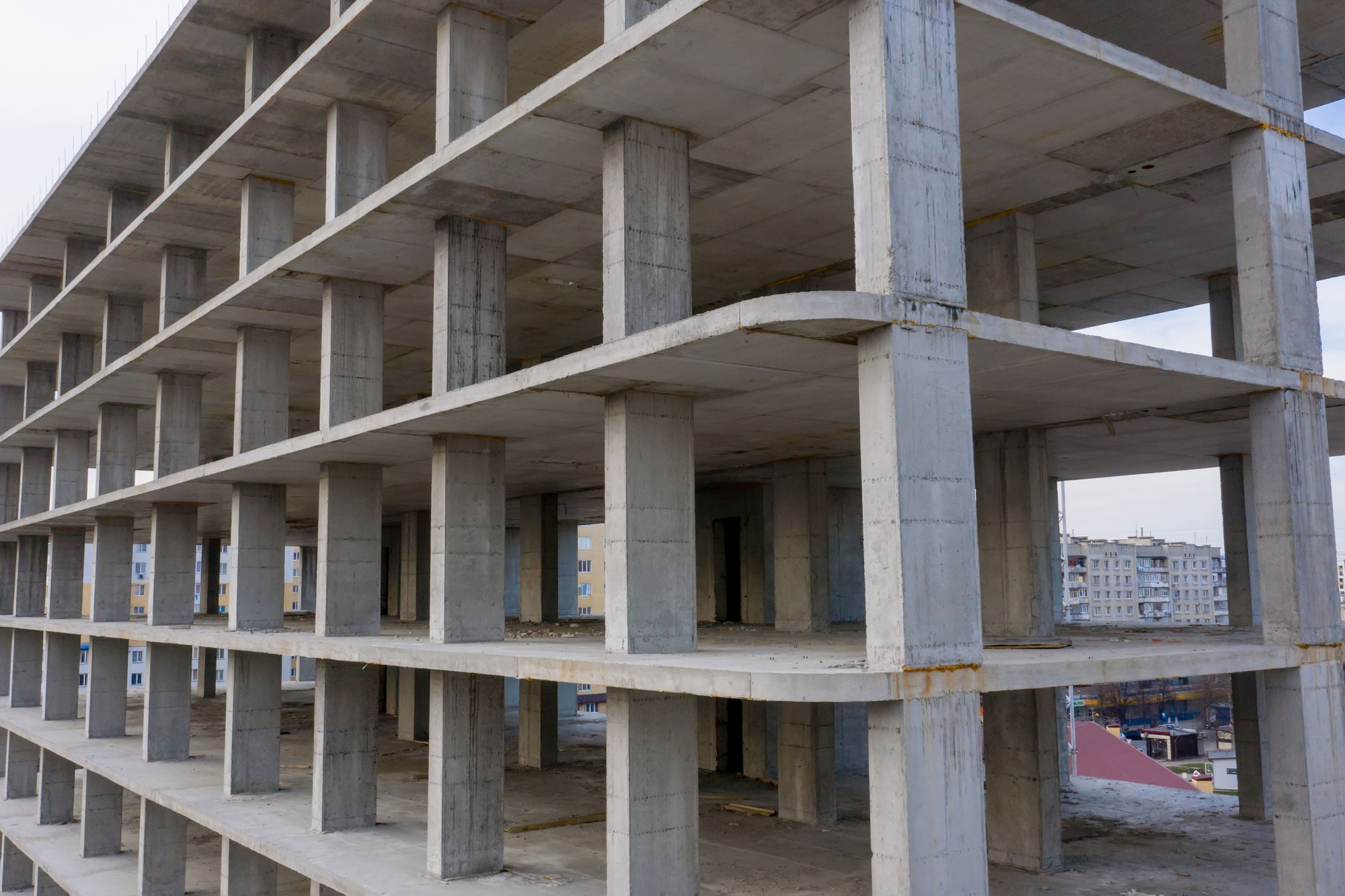
Can You Build a Commercial Building Using Precast Construction?
When most people hear the term precast construction, they often think about infrastructure projects, drainage systems, or large-scale public developments.
What many don't realize is that precast construction is increasingly being used for commercial buildings as well.
From office spaces and industrial facilities to warehouses, commercial complexes, and business parks, developers are exploring new ways to improve construction speed, quality, and project predictability.
As businesses across Gujarat continue expanding, the demand for construction methods that reduce delays and improve efficiency is becoming more important than ever.
This naturally raises a question:
Can you build a commercial building using precast construction?
The answer is yes—and in many situations, it can offer significant advantages.
Commercial Construction Is Changing
Commercial developments today face increasing pressure.
Businesses want:
- Faster project completion
- Predictable timelines
- Reduced disruptions
- Efficient use of resources
- Long-term durability
Traditional construction methods continue serving many projects effectively, but developers are also exploring alternative approaches that help address modern project requirements.
This shift is one reason why conversations around precast construction are becoming more common across Gujarat.
As discussed in Why Predictability Is Becoming the Most Valuable Asset in Construction, predictability is becoming one of the most valuable advantages a project can have.
What Types of Commercial Buildings Can Be Built Using Precast Construction?
Precast construction can support a wide variety of commercial applications.
Examples include:
- Corporate offices
- Business centres
- Warehouses
- Industrial facilities
- Retail developments
- Commercial complexes
- Site offices
- Institutional buildings
In fact, businesses exploring modern workspaces are increasingly evaluating solutions similar to those discussed in Best Precast Modular Office Manufacturer Ahmedabad.
The flexibility of precast systems allows developers to create structures that meet operational requirements while maintaining architectural freedom.
Speed Is Often One of the Biggest Advantages
For many businesses, time directly affects revenue.
The sooner a facility becomes operational, the sooner it can begin generating value.
One reason developers explore precast construction is the potential for improved project timelines.
Because many components are manufactured before installation, on-site activities can often be streamlined.
This aligns with many of the principles discussed in Why Some Construction Projects Stay on Schedule While Others Don't.
While every project is unique, efficient planning and coordinated execution often contribute to smoother construction processes.
Commercial Buildings Need More Than Structures
Successful commercial projects depend on more than the building itself.
They also require supporting infrastructure.
This includes:
- Water management systems
- Utility planning
- Drainage infrastructure
- Accessibility solutions
- Site development
Products such as RCC Pipes, Box Culverts, and U-Shaped Channel Sections continue supporting commercial and industrial developments across Gujarat.
As explored in What Developers Often Realize Too Late During Construction, infrastructure planning often influences project success as much as structural planning.
Can Commercial Buildings Still Be Customized?
One of the biggest misconceptions surrounding precast construction is that it limits design flexibility.
In reality, modern precast systems can support highly customized commercial projects.
Developers can evaluate layouts based on:
- Business requirements
- Operational needs
- Site constraints
- Future expansion plans
- Functional requirements
The same principle is discussed in Can You Build a Fully Customized Home Using Precast Construction?.
Whether the project is residential or commercial, customization remains an important part of the planning process.
Why Businesses Are Looking Beyond Initial Construction Costs
Construction decisions are increasingly being evaluated through a long-term lens.
Business owners often consider:
- Maintenance requirements
- Operational efficiency
- Reliability
- Future flexibility
- Lifecycle value
The objective is no longer simply to complete a building.
The objective is to create a facility capable of supporting business operations efficiently over time.
This perspective aligns closely with the ideas explored in Why We Focus on Long-Term Performance Instead of Short-Term Solutions.
Commercial Growth Requires Future-Ready Infrastructure
Across Gujarat, commercial development continues expanding.
As new industrial zones, business hubs, logistics facilities, and commercial centres emerge, developers increasingly prioritize infrastructure that can support long-term growth.
This includes:
- Accessibility planning
- Water management
- Utility infrastructure
- Site development
- Future expansion capabilities
For many projects, future readiness becomes just as important as current requirements.
This is one reason businesses increasingly evaluate modern construction approaches when planning new developments.
How Sachi Precast Supports Commercial Development
At Sachi Precast, we support commercial, industrial, renewable energy, and infrastructure projects through precast solutions designed for reliability and long-term performance.
Our solutions include:
Our experience supporting infrastructure and development projects across Gujarat continues shaping how we approach commercial construction opportunities.
For a broader understanding of how precast solutions are supporting residential, commercial, industrial, and renewable energy developments, explore our complete guide to Precast Construction in Gujarat.
Frequently Asked Questions
Can commercial buildings be built using precast construction?
Yes. Precast construction can support offices, warehouses, commercial complexes, industrial facilities, retail spaces, and various other commercial developments.
What are the advantages of precast construction for commercial projects?
Businesses often explore precast construction for improved efficiency, project predictability, quality control, and long-term performance.
Can precast commercial buildings be customized?
Yes. Modern precast construction allows developers to customize layouts, dimensions, functionality, and project requirements.
What types of businesses use precast construction?
Commercial offices, industrial facilities, warehouses, logistics centres, retail developments, and institutional projects can all utilize precast solutions.
Is infrastructure planning important for commercial developments?
Yes. Water management, drainage systems, utility planning, accessibility, and site development all contribute to long-term project performance.
How does Sachi Precast support commercial construction?
Sachi Precast supports commercial projects through precast infrastructure solutions designed for durability, reliability, and long-term operational performance.
Final Thoughts
Commercial construction is evolving.
Businesses today are looking beyond traditional measures of project success and focusing on efficiency, reliability, flexibility, and long-term value.
As a result, more developers are exploring how precast construction can support commercial projects across Gujarat.
The question is no longer whether commercial buildings can be built using precast construction.
The more relevant question is how businesses can leverage modern construction approaches to create facilities prepared for the future.
Build Smarter With Sachi Precast
From ready-made precast components to fully customized solutions, we handle everything from manufacturing to on-site erection — delivering faster, stronger, and more efficient construction outcomes.