
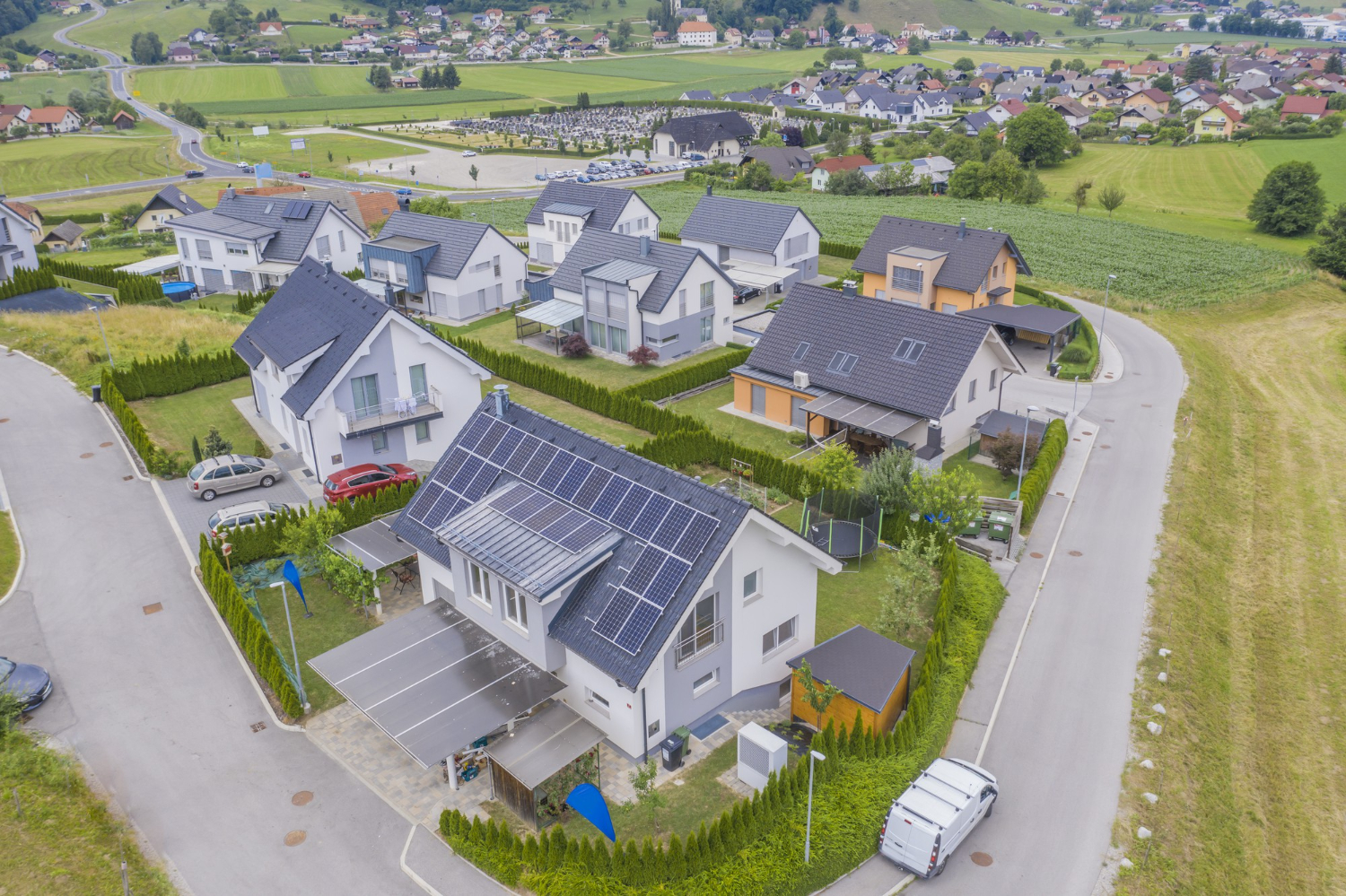
Building a Solar-Ready Home in Gujarat: What Homeowners Should Know
The way homeowners think about energy is changing.Rising electricity costs, increasing awareness of sustainability, and Gujarat's abundant sunshine have encouraged many families to explore solar energy as a long-term investment.However, one of the biggest mistakes homeowners make is waiting until after construction is complete before thinking about solar power.The best time to prepare for solar energy is actually before your home is built.Whether you're planning a villa in Ahmedabad, a farmhouse near Gandhinagar, a weekend retreat, or a modern family home, designing a solar-ready home from the beginning can save time, reduce future modifications, and improve long-term efficiency.At Sachi Precast, we work with homeowners and developers who are increasingly looking for future-ready construction solutions that combine durability, efficiency, and adaptability.
What Is a Solar-Ready Home?
A solar-ready home is a property designed to accommodate solar energy systems either immediately or at a later stage.
This doesn't necessarily mean solar panels must be installed during construction.
Instead, it means the home is planned in a way that makes future solar integration easier and more cost-effective.
A solar-ready home typically considers:
- roof orientation
- structural planning
- electrical provisions
- future equipment locations
- energy efficiency measures
Planning these elements early helps homeowners avoid expensive modifications later.
Why Gujarat Is Ideal for Solar Homes
Gujarat is one of India's leading states for solar energy adoption.
Homeowners benefit from:
- high annual sunlight exposure
- long summer seasons
- increasing solar awareness
- growing renewable energy infrastructure
Because sunlight is abundant throughout much of the year, solar energy has become an attractive option for many residential properties.
This makes solar-ready construction particularly relevant for homeowners across Ahmedabad and Gujarat.
Why You Should Think About Solar Before Construction Begins
Many homeowners assume solar installation is a separate decision that can be made later.
While that is true, planning for solar during the design phase offers several advantages.
Early planning can help:
- simplify future installation
- improve roof utilization
- support energy-efficient design
- reduce future renovation work
- increase long-term property value
When architects and construction teams understand that solar integration may be part of the property's future, they can make better design decisions from the beginning.
Roof Design Matters More Than Most Homeowners Realize
The roof is one of the most important components of a solar-ready home.
Factors that should be considered include:
Available Roof Space
Sufficient unobstructed roof area helps maximize future solar potential.
Structural Planning
The roof should be designed with future equipment requirements in mind.
Shading Conditions
Nearby buildings, trees, and structures can affect solar performance.
Accessibility
Maintenance and future upgrades should be considered during planning.
Thinking about these factors early helps improve flexibility in the future.
Energy Efficiency Comes Before Solar Panels
One of the biggest misconceptions about sustainable homes is that solar panels alone make a property energy efficient.
In reality, reducing energy consumption should come first.
Homeowners should focus on:
- natural ventilation
- thermal comfort
- shading strategies
- efficient layouts
- climate-responsive design
A well-designed home often requires less energy to begin with.
This makes solar investments even more effective.
How Precast Construction Supports Future-Ready Homes
Modern homeowners are increasingly looking for construction methods that support long-term performance.
Precast construction offers several advantages that align with future-ready housing goals.
These include:
- quality consistency
- predictable execution
- efficient project planning
- long-term durability
For homeowners building modern villas, farmhouses, and custom residences, precast construction provides flexibility while supporting efficient project delivery.
Don't Forget Site Infrastructure
A solar-ready home is only one part of a successful property.
Supporting infrastructure also plays a critical role.
Many homeowners incorporate Precast Boundary Walls to improve security, privacy, and property definition while maintaining long-term durability.
Planning these elements alongside the house often results in a more cohesive development.
Drainage Planning Is Essential
Solar-ready homes still need to withstand Gujarat's monsoon season.
Poor drainage can lead to:
- water accumulation
- soil erosion
- landscape damage
- maintenance issues
This is why many residential developments include RCC Pipes as part of underground drainage systems.
For larger residential plots and farmhouses, U-Shaped Channel Sections can help manage surface water efficiently while maintaining site accessibility during heavy rainfall.
Building for Ahmedabad's Climate
A solar-ready home should be designed specifically for local conditions.
Ahmedabad experiences:
- extreme summer temperatures
- long periods of direct sunlight
- seasonal monsoon rainfall
Homes that respond effectively to these conditions often deliver better comfort and long-term performance.
This is why climate-responsive design should always be part of the planning process.
Future-Proofing Your Investment
A home is one of the largest investments most families will ever make.
Future-proofing helps ensure that the property remains relevant and efficient for years to come.
This may include planning for:
- solar systems
- electric vehicle charging
- home automation
- future expansion
- energy-efficient upgrades
The earlier these considerations are incorporated, the easier implementation becomes later.
Why More Homeowners Are Thinking Long-Term
Today's homeowners are making decisions differently than previous generations.
Many are evaluating:
- operating costs
- sustainability
- energy efficiency
- durability
- future adaptability
As a result, solar-ready construction is becoming less of a luxury and more of a strategic planning decision.
How Sachi Precast Supports Modern Home Construction
At Sachi Precast, we help homeowners, developers, and project planners explore construction solutions designed for long-term performance.
From Precast Boundary Walls to infrastructure solutions such as RCC Pipes and U-Shaped Channel Sections, our goal is to support projects that are built for today's needs and tomorrow's opportunities.
Conclusion
Solar energy is becoming an increasingly important part of residential planning across Gujarat.
While solar panels can be installed later, designing a solar-ready home from the beginning offers significant advantages in flexibility, efficiency, and long-term value.
By combining smart planning, climate-responsive design, durable infrastructure, and future-ready construction methods, homeowners can create properties that remain efficient and adaptable for decades to come.
As Ahmedabad and Gujarat continue embracing renewable energy, solar-ready homes are likely to become an increasingly attractive choice for forward-thinking homeowners.
FAQs
A solar-ready home is designed to accommodate solar energy systems either immediately or in the future through proper planning and infrastructure preparation.
Yes. Planning early can reduce future modifications and improve the efficiency of solar integration.
Yes. Gujarat receives abundant sunlight throughout the year, making it highly suitable for residential solar energy systems.
Yes. Precast construction is increasingly being used for modern homes that prioritize durability, efficiency, and future adaptability.
Build Smarter With Sachi Precast
From ready-made precast components to fully customized solutions, we handle everything from manufacturing to on-site erection — delivering faster, stronger, and more efficient construction outcomes.